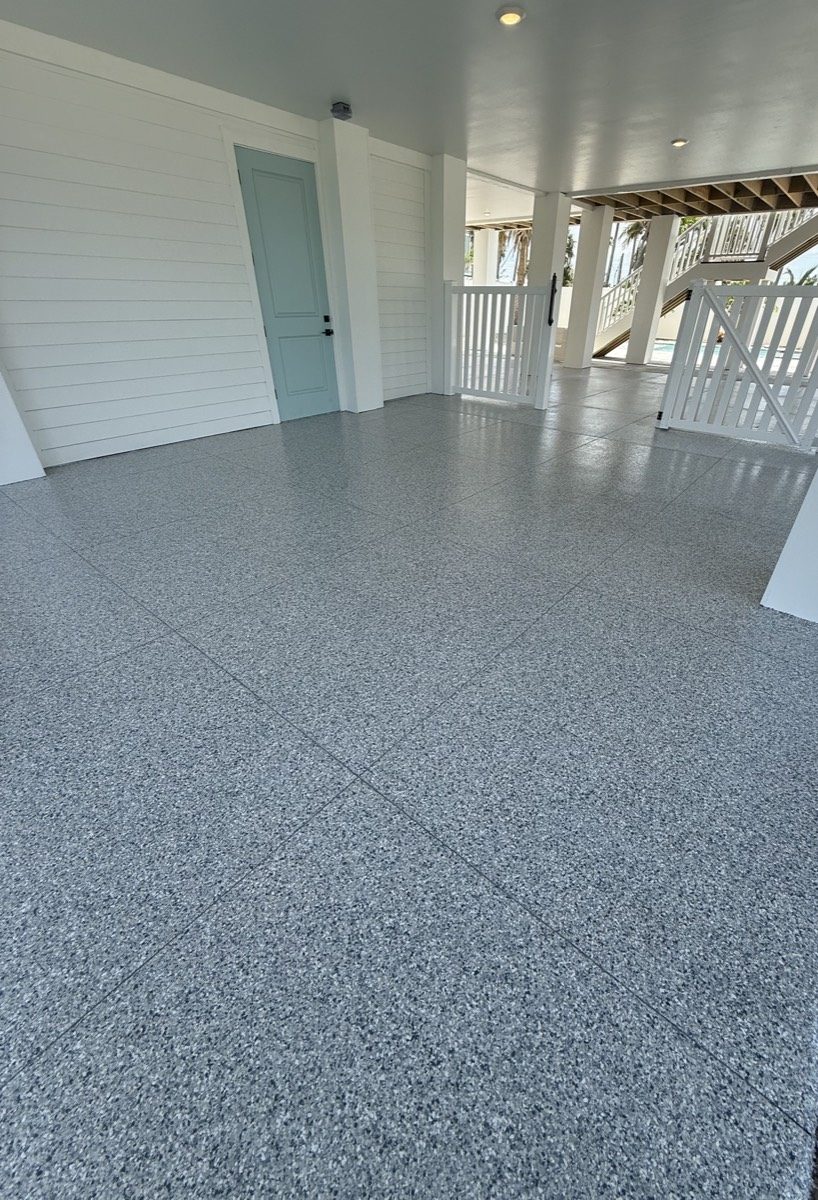
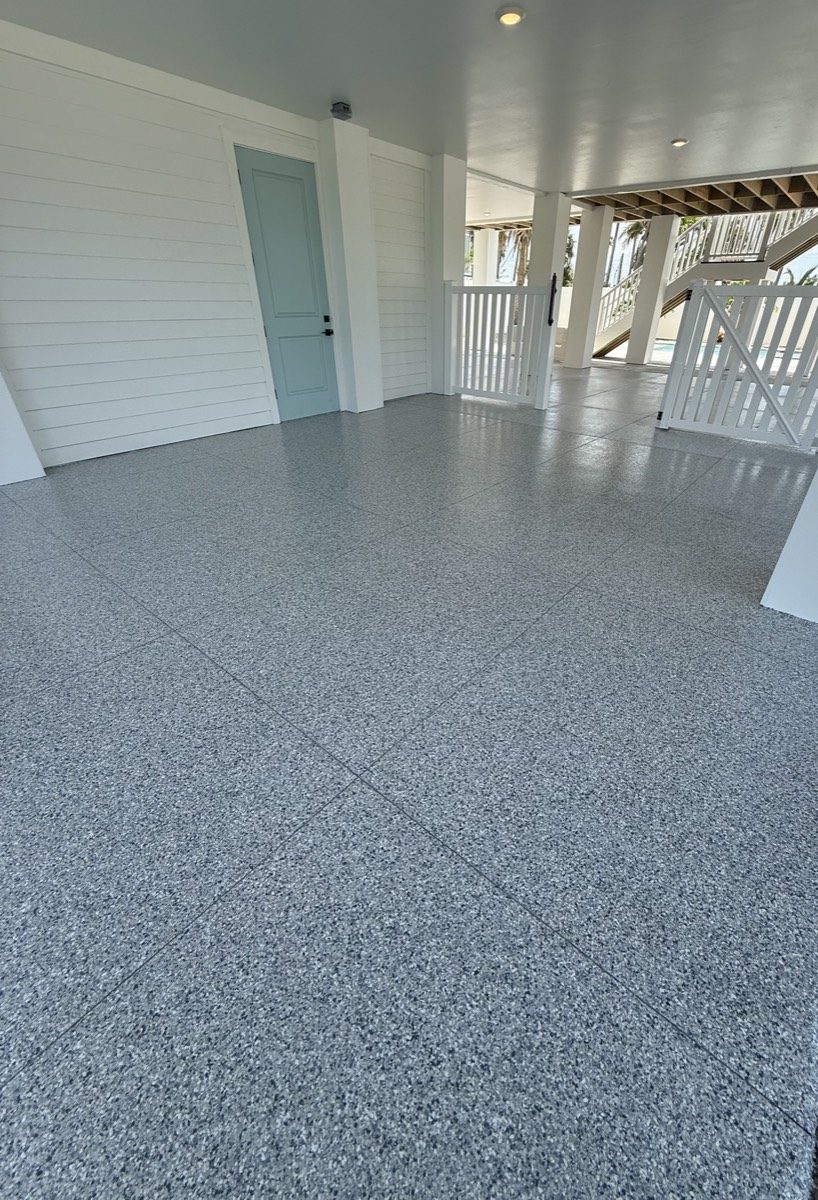
One of the biggest advantages of epoxy flooring is how easy it is to maintain. Unlike carpet that needs steam cleaning, hardwood that requires refinishing, or tile with grout that stains, epoxy floors stay beautiful with minimal effort. Here's how to keep your epoxy floors looking like new for years to come. For more common questions, visit our epoxy flooring FAQs.
Daily & Weekly Maintenance
Daily Care (High-Traffic Areas)
For commercial floor maintenance or garages that see daily use:
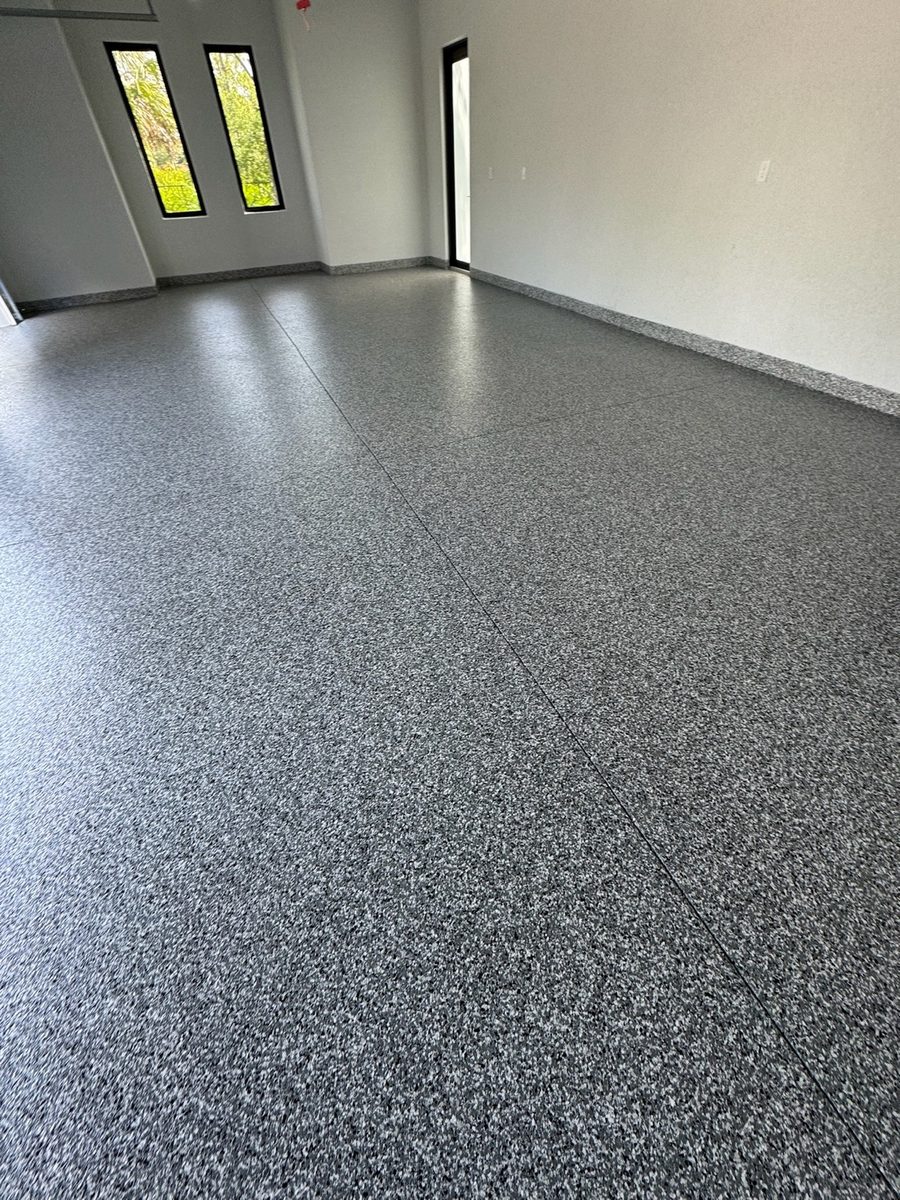
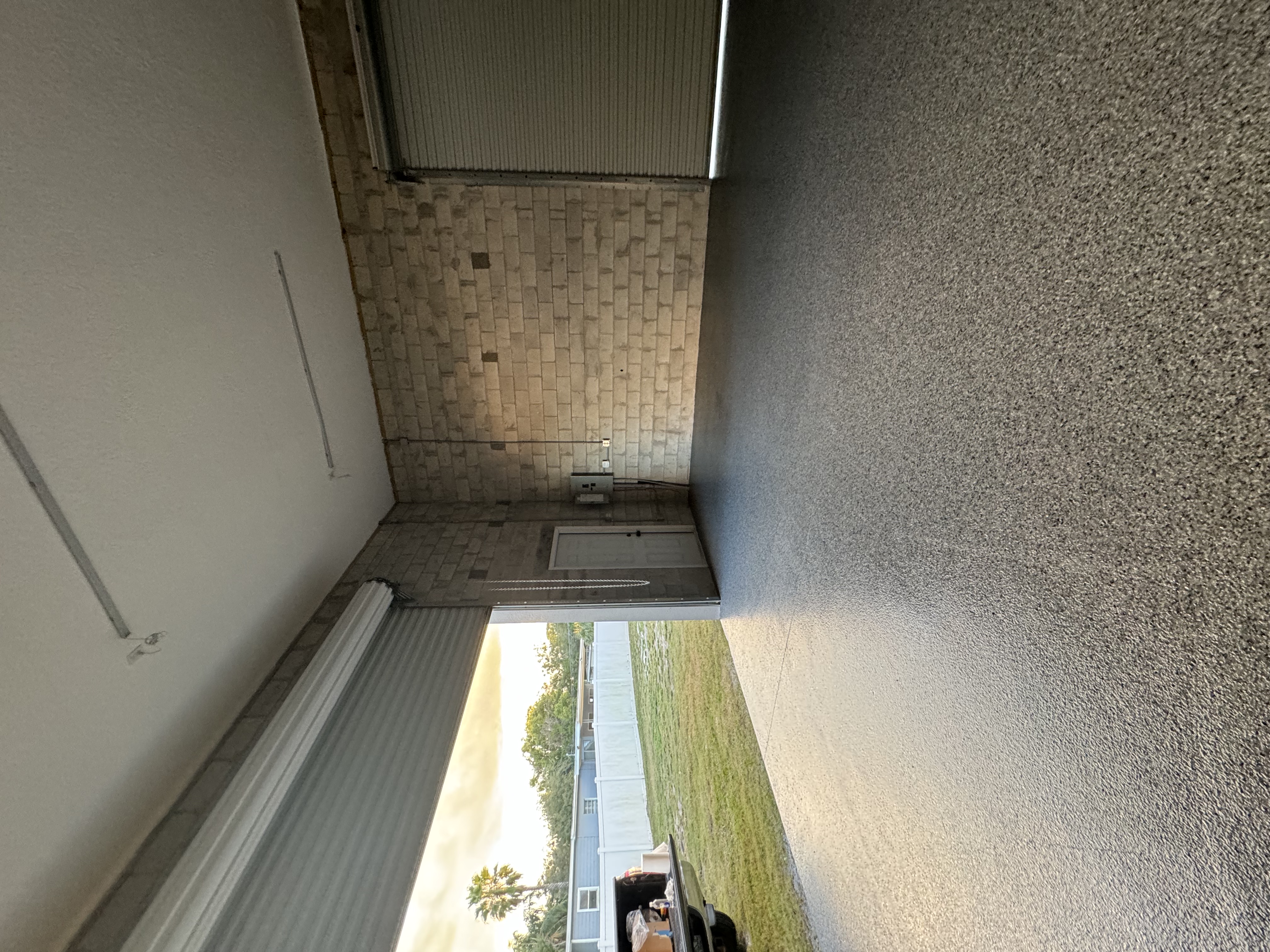
- Sweep or dust mop to remove dirt, dust, and debris
- This prevents scratching from particles being ground into the surface
- Takes just a few minutes and makes a big difference
Weekly Cleaning
Once a week, give your floor a more thorough cleaning:
- Sweep or vacuum to remove loose debris
- Mop with warm water and a mild detergent (dish soap works great)
- Use a soft mop or microfiber pad - avoid stiff bristles
- Rinse with clean water if using soap
- Allow to air dry or use a squeegee for faster drying
Monthly Deep Cleaning Routine
In addition to your daily and weekly care, setting aside time once a month for a thorough deep clean will keep your epoxy floor in top condition. This is especially important in Florida, where humidity, pollen, and sand buildup can gradually dull even the most durable coatings. Follow this step-by-step routine for best results:
- Clear the area: Move vehicles, equipment, furniture, and any portable items off the floor. This gives you full access to every corner and eliminates missed spots.
- Dry sweep thoroughly: Use a wide dust mop or soft-bristle push broom to collect all loose dirt, sand, and debris. Pay special attention to corners, edges, and areas near doorways where grit accumulates.
- Pre-treat problem spots: Identify any oil stains, tire marks, or sticky residue. Apply a small amount of diluted ammonia-based cleaner or a dedicated epoxy floor degreaser directly to these areas and let it sit for 5 to 10 minutes.
- Mop the entire floor: Fill a bucket with warm water and add a few drops of mild dish soap or a pH-neutral commercial floor cleaner. Mop the entire surface in sections using a microfiber flat mop, working from the back of the space toward the exit.
- Scrub stubborn areas: For any spots that did not come clean during mopping, use a soft nylon brush with your cleaning solution. Avoid anything abrasive that could scratch the topcoat.
- Rinse with clean water: Go over the entire floor with a clean mop and fresh water to remove any soap residue. Residue left behind can create a hazy film over time.
- Dry the floor: Use a squeegee or dry microfiber mop to remove standing water. In Florida's humid climate, allowing water to air dry can leave water spots, so active drying is recommended.
- Inspect for damage: While the floor is clean and dry, take a moment to look for any chips, peeling edges, or areas where the coating appears thin. Catching small issues early prevents costly repairs later.
Maintenance Schedule by Floor Type
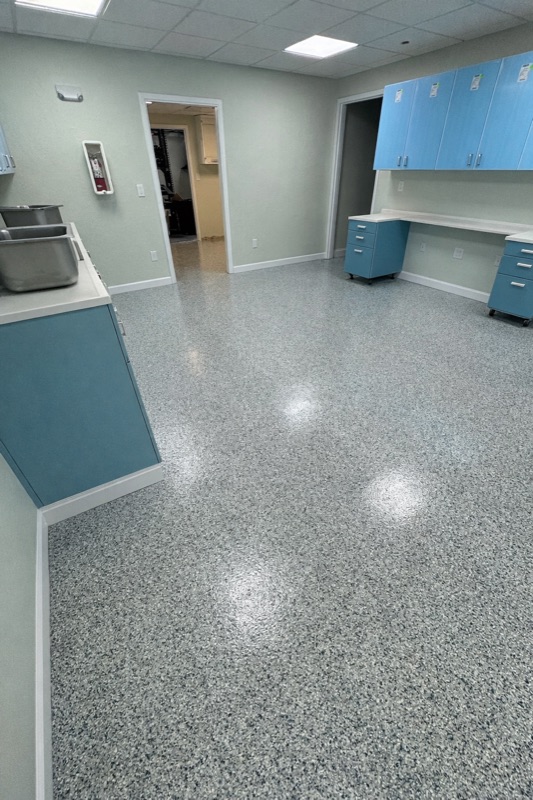
Not every epoxy floor sees the same level of use. The maintenance schedule that works for a residential garage may not be enough for a busy commercial facility. Here is a breakdown of recommended care routines based on floor type:
Residential Garage Floors
Most homeowners use their garage for parking, storage, and the occasional weekend project. For this level of use:
- Daily: Quick sweep if you notice visible sand or debris tracked in from outdoors
- Weekly: Damp mop with warm water and mild soap
- Monthly: Full deep cleaning routine as described above
- Annually: Inspect the entire floor for wear, especially in high-traffic tire paths, and consider applying a fresh topcoat if the shine has noticeably faded
Commercial and Retail Floors
Retail stores, showrooms, restaurants, and office spaces see constant foot traffic, rolling carts, and frequent spills. These floors need more attention:
- Daily: Sweep and spot-mop high-traffic zones, entryways, and areas near food service or restrooms
- Weekly: Full mop of the entire floor with a commercial-grade epoxy cleaner
- Monthly: Deep clean with degreaser treatment in kitchen areas, loading zones, and anywhere heavy foot traffic occurs
- Quarterly: Professional inspection to check for coating wear, especially at transition points between rooms or near exterior doors
Patio and Outdoor Epoxy Floors
Outdoor coated surfaces such as lanais, pool decks, and covered patios face direct exposure to Florida's sun, rain, and humidity. Maintenance for these areas includes:
- Weekly: Rinse with a garden hose to clear pollen, leaves, and dirt. Mop with a mild cleaner if the surface looks dull.
- Monthly: Scrub with a soft brush and cleaning solution to remove mildew or algae that can develop in shaded, damp areas
- Seasonally: Check for UV-related fading or chalking and consult a professional about a UV-resistant topcoat reapplication if needed
Tools and Equipment Recommendations
Having the right tools makes epoxy floor maintenance faster and more effective. Here are our top recommendations based on what we see working best for our customers across Fort Myers, Naples, and Orlando:
Mops
- Microfiber flat mop: The best all-around tool for epoxy floors. The flat design glides easily over the smooth surface and microfiber pads pick up fine dust and grit without scratching. Look for a mop with a swivel head for easier maneuvering around vehicles and equipment.
- Foam mop: A good alternative for quick weekly cleaning. Foam mops are gentle and do not leave lint behind.
- Avoid string mops: Traditional cotton string mops tend to leave too much water on the surface and can push dirty water into corners rather than picking it up.
Cleaning Solutions
- Simple Green or comparable all-purpose cleaner: Effective and safe for epoxy when diluted according to label directions
- Ammonia-based window cleaner (diluted): Works well for cutting through light grease and leaving a streak-free shine
- Dedicated epoxy floor cleaner: Products specifically formulated for epoxy and polyurea coatings are available at most hardware stores and provide the safest deep clean
Other Helpful Equipment
- Soft-bristle push broom (18-inch or wider): Ideal for large garage and commercial spaces
- Shop vacuum with soft floor attachment: Great for picking up fine dust and sand without scratching
- Rubber squeegee: Speeds up drying time significantly, which is especially helpful in humid Florida conditions
- Soft nylon scrub brush: Useful for spot-cleaning stubborn stains without damaging the coating
- Bucket with wringer: Helps control the amount of water going onto the floor, which prevents pooling and water spots
Cleaning Products: What to Use (and Avoid)
Safe Cleaning Products
- Warm water (often all you need!)
- Mild dish soap (like Dawn)
- Ammonia-based cleaners (diluted)
- Commercial epoxy floor cleaners
- Soft Scrub for stubborn spots
Products to Avoid
- Citrus cleaners - can break down the epoxy over time
- Vinegar - acidic and can dull the finish
- Soap-based cleaners - leave a residue that builds up
- Abrasive scrubbers - can scratch the surface
- Steel wool or harsh brushes - will damage the coating
Handling Common Issues
Oil and Grease Stains
Garage floors often encounter oil drips. Here's how to handle them:
- Wipe up fresh spills immediately with a paper towel
- For dried oil, apply a degreaser or dish soap directly to the spot
- Let it sit for a few minutes
- Scrub gently with a soft brush
- Rinse thoroughly with water
Tire Marks
Hot tires can sometimes leave marks on epoxy floors:
- Most tire marks wipe away with a damp mop
- For stubborn marks, use a mild degreaser
- A magic eraser can work on persistent marks
- Quality epoxy with proper topcoat resists tire marks
Rust Stains
Metal objects left on the floor can cause rust stains:
- Apply a rust remover safe for epoxy
- Let it work for the recommended time
- Scrub gently and rinse
- Prevent by placing mats under metal items
Protecting Your Epoxy Floor
Use Mats Strategically
- Entry mats trap dirt before it reaches your floor
- Place mats under vehicles to catch drips
- Use anti-fatigue mats in work areas
- Make sure mats have non-staining rubber backing
Furniture and Equipment
- Use felt pads under furniture legs
- Lift heavy items instead of dragging
- Use plywood under jack stands
- Consider rubber casters for rolling equipment
Avoid Sharp Objects
- Don't drop sharp tools directly on the floor
- Keep sharp edges away from the surface
- While epoxy is tough, sharp impacts can chip it
Seasonal Maintenance for Florida
Florida's climate creates specific maintenance considerations that homeowners in other states simply do not have to think about. From intense summer heat to hurricane season, here is how to care for your epoxy floor year-round:

Summer Heat Care (May through September)
Florida summers bring extreme temperatures that can affect your garage and outdoor epoxy floors. Concrete slabs in direct sun can reach 140 degrees or more, and that heat transfers through to the coating. Here is how to protect your floor during the hottest months:
- Park hot vehicles carefully: Tires heated from driving on scorching Florida pavement are more likely to leave marks on epoxy. If possible, let your car cool for a few minutes before parking, or place tire mats under the wheels.
- Ventilate your garage: Keeping air circulating with a fan or opening the garage door periodically helps reduce heat buildup on the floor surface.
- Avoid leaving chemicals on the floor: High heat can cause chemical reactions between spilled fluids and the epoxy coating. Clean up any automotive fluids, fertilizers, or pool chemicals immediately.
- Check outdoor coatings for UV wear: Patios and lanais exposed to direct sun should be inspected for fading or chalking. A UV-resistant topcoat can be reapplied by a professional to restore protection.
Rainy Season (June through October)
- Water tracked in from daily afternoon storms dries quickly on epoxy, but frequent moisture can create slip hazards
- Consider extra entrance mats during wet months to trap water before it reaches the main floor area
- Mop up standing water promptly to prevent slip hazards and water spot buildup
- Watch for mildew growth in shaded outdoor areas where moisture lingers and scrub with a mild cleaner if you spot any green or black discoloration
Hurricane Season (June through November)
- Epoxy floors handle flooding better than most flooring types, as water does not seep into or damage the sealed surface
- After any water intrusion, clean thoroughly with fresh water and a disinfectant to remove contaminants that floodwater may carry
- Check for debris, sand, and dirt brought in by storms and sweep before it gets ground into the surface by foot traffic
- Inspect for any chips or damage caused by flying debris and contact our team for spot repairs if needed
Holiday and Guest Prep (November through March)
Florida's snowbird season and holiday gatherings mean more visitors, more foot traffic, and more chances for spills. Take these steps to keep your floor looking its best:
- Perform a deep clean before the holiday season starts to remove any buildup from the summer and fall months
- Place extra mats at entry points to catch sand and dirt from increased foot traffic
- Keep a microfiber mop handy for quick cleanups during parties and gatherings
- After the season ends in spring, do another thorough deep clean to reset for summer
When to Call a Professional
Contact our team if you notice:
- Peeling or bubbling (rare with professional installation)
- Deep scratches or gouges
- Significant dulling that cleaning doesn't resolve
- Stains that won't come out
Minor damage can often be repaired without recoating the entire floor.
The Bottom Line
Epoxy floors are one of the lowest-maintenance flooring options available. With basic sweeping and occasional mopping, your floor will look great for years. The key is consistency - a few minutes of regular care prevents bigger problems down the road.
Questions About Your Epoxy Floor?
If you have questions about caring for your epoxy floor - or if you're interested in getting epoxy flooring installed - we're here to help.
Contact Us Call (239) 888-9900