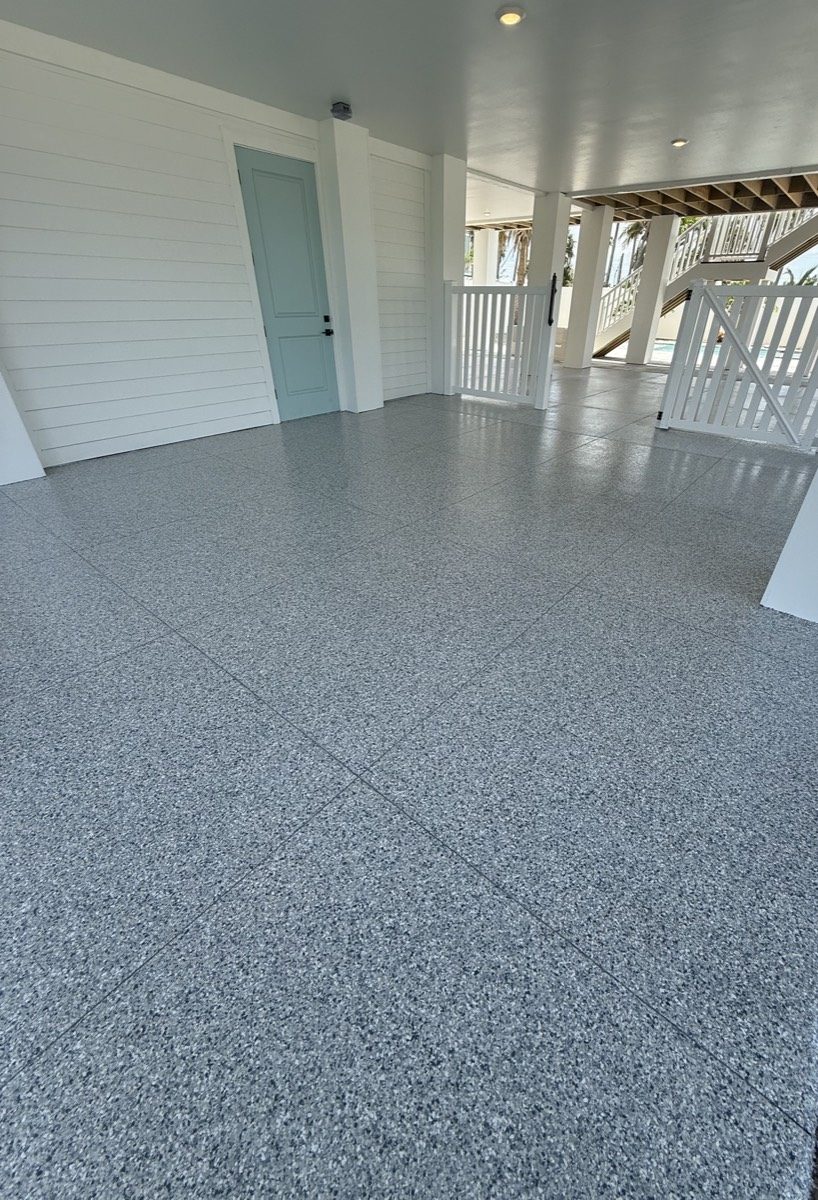
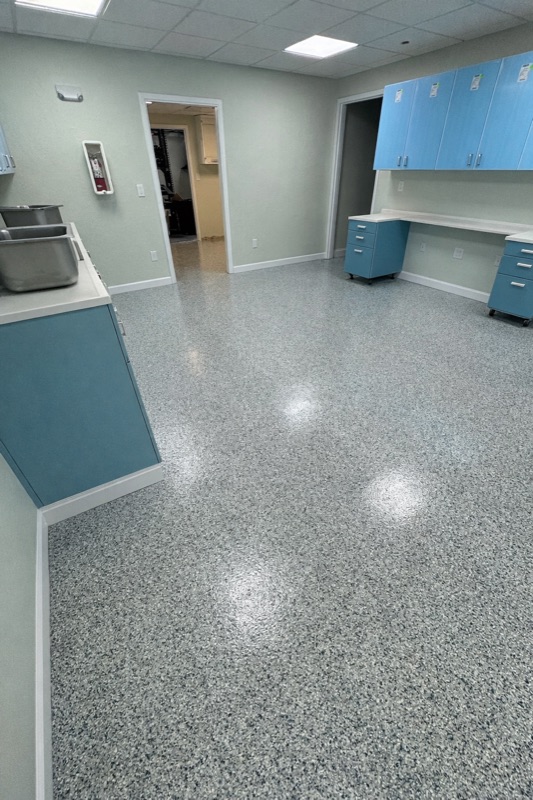
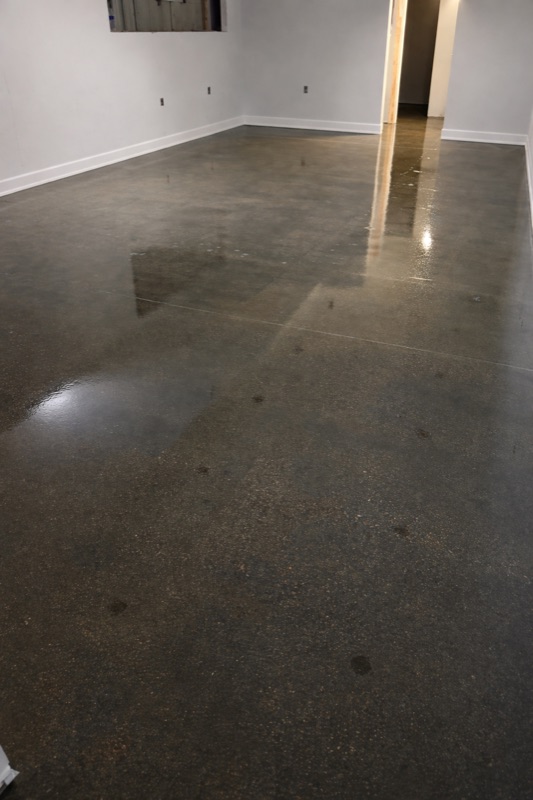
Florida's climate is tough on everything—including floors. With temperatures regularly exceeding 90°F, humidity levels above 80%, and intense UV exposure year-round, many homeowners wonder: how long will epoxy flooring actually last in these conditions?
The good news is that properly installed epoxy flooring performs exceptionally well in Florida. Here's everything you need to know about epoxy durability in the Sunshine State.
Expected Lifespan by Application Type
Epoxy floor lifespan varies based on the type of system and how the space is used:
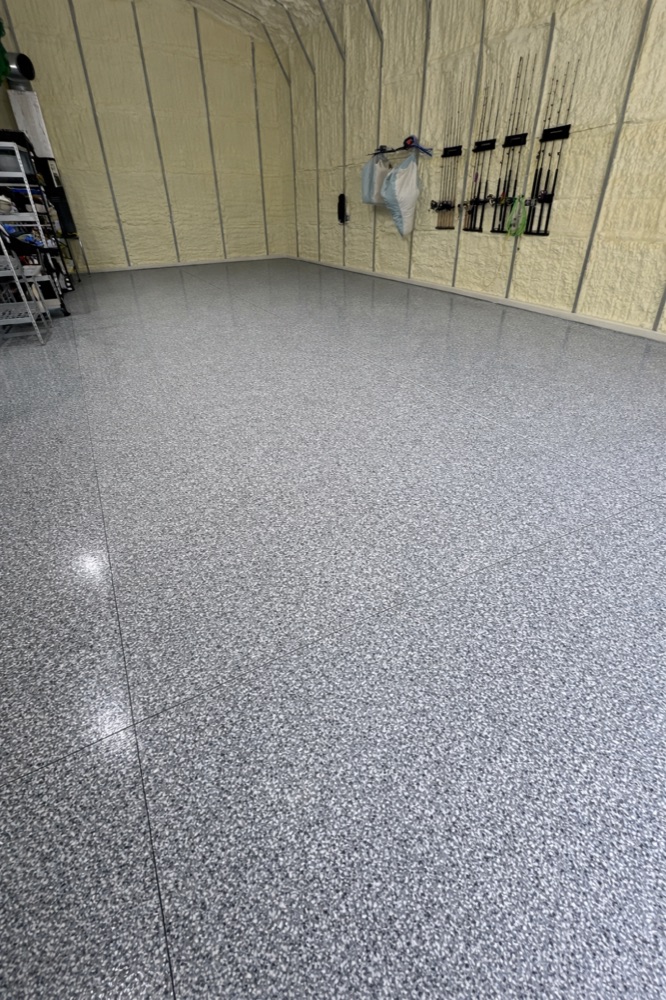
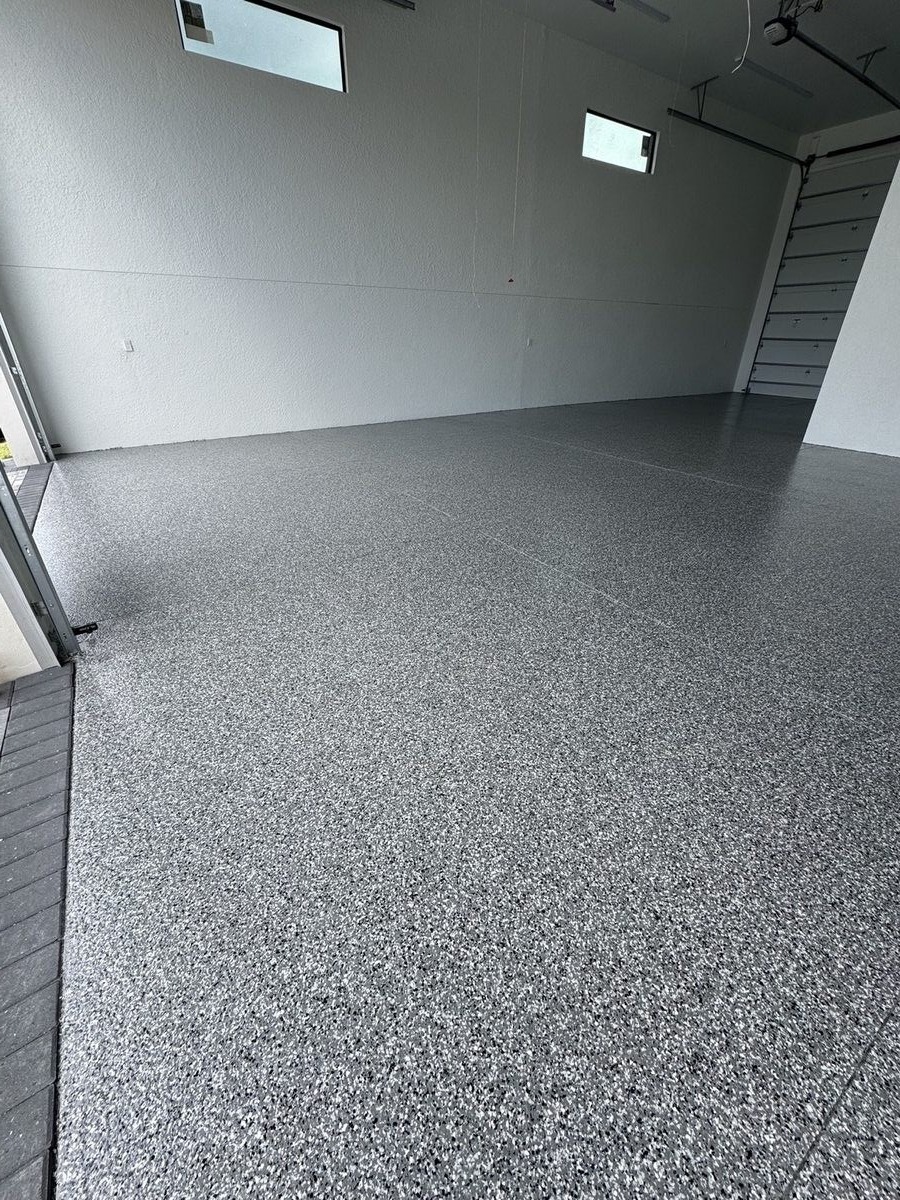
Residential Garage Floors: 10-20 Years
A professionally installed garage floor coating typically lasts 10-20 years in Florida with normal residential use. Factors that affect lifespan include:
- Number of vehicles parked
- Hot tire exposure frequency
- Chemical spills (oil, coolant, etc.)
- Maintenance routine
Commercial Floors: 15-25+ Years
Heavy-duty commercial epoxy systems are engineered for longer life even under demanding conditions. With proper maintenance, commercial floors in Florida routinely last 15-25 years or more.
Industrial Floors: 20-30+ Years
Industrial-grade systems like urethane cement are designed for the harshest environments and can last 20-30+ years even in demanding Florida industrial facilities.
How Florida's Climate Affects Epoxy
Heat and Hot Tires
This is the #1 concern for Florida garage floors. Here's what happens:
- Florida asphalt can reach 150°F+ in summer
- Tires absorb that heat and transfer it to your floor
- Cheap epoxy coatings can soften and peel under hot tires
- Quality polyaspartic topcoats resist hot tire pickup
Our solution: We use polyaspartic and polyurea topcoats specifically designed to resist hot tire pickup. These advanced coatings stay hard even when subjected to temperatures that would damage basic epoxy.
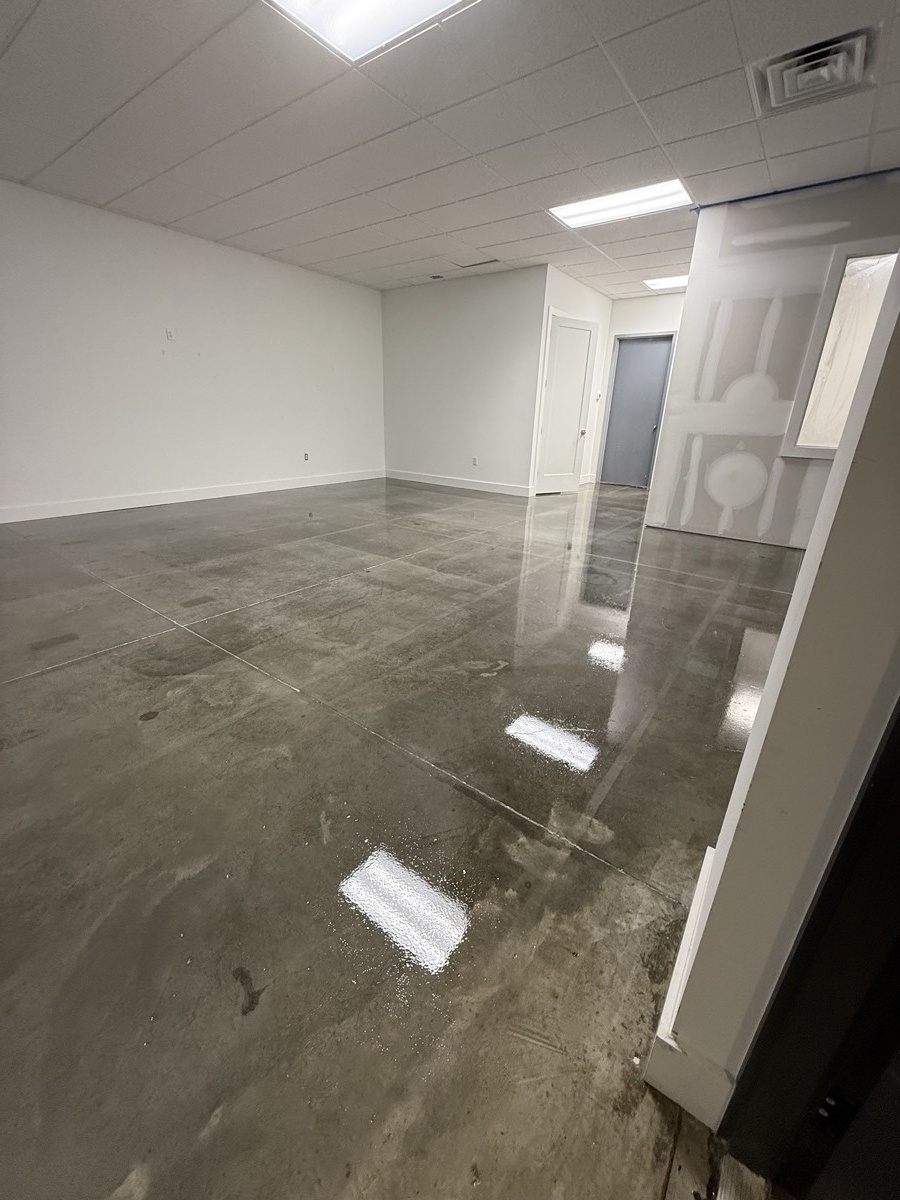
UV Exposure
Constant sun exposure can cause some epoxies to yellow or chalk. This is primarily a concern for:
- Outdoor applications (patios, pool decks)
- Garages that stay open frequently
- Areas near windows or garage door openings
Our solution: We apply UV-stable topcoats that resist yellowing and maintain their appearance for years. For outdoor applications, we use 100% UV-stable systems.
Humidity and Moisture
Florida's humidity creates unique challenges:
- Moisture can migrate through concrete slabs
- High humidity during installation can cause adhesion issues
- Condensation on cold floors (from A/C) can make floors slippery
Our solution: We test moisture levels before installation and apply moisture mitigation primers when needed. Proper preparation ensures the coating bonds permanently to your concrete.
Thermal Cycling
Florida temperatures can swing 30-40°F between day and night, causing concrete to expand and contract. Poor-quality coatings can crack or delaminate from this movement.
Our solution: We use flexible epoxy systems that move with the concrete rather than cracking. Proper crack repair before installation also prevents stress points.
What Makes Epoxy Fail Prematurely in Florida?
Based on our experience repairing failed epoxy floors across Southwest Florida, here are the most common causes of early failure:
1. Inadequate Surface Preparation
This is the #1 cause of epoxy failure. Shortcuts during prep lead to:
- Peeling within 1-3 years
- Bubbling and blistering
- Edge lifting near garage doors
Proper diamond grinding or shot blasting is essential—acid etching alone isn't sufficient for Florida's conditions.
2. Wrong Product Selection
Using the wrong epoxy system for Florida conditions causes:
- Hot tire marks and peeling
- Yellowing from UV exposure
- Softening in extreme heat
3. DIY Installation Issues
Common DIY mistakes in Florida include:
- Applying when humidity is too high
- Not allowing proper cure time between coats
- Using hardware store "epoxy paint" instead of true epoxy
- Skipping the topcoat that provides UV and hot tire protection
4. Insufficient Thickness
Thin coatings wear through quickly. A single coat of "epoxy paint" from a hardware store might be 2-3 mils thick. Our systems are 15-20+ mils—5-10x thicker and proportionally more durable.
How to Maximize Your Epoxy Floor's Lifespan
Follow these tips to get the most years out of your epoxy floor:
Regular Cleaning
- Sweep or dust mop weekly to remove abrasive dirt
- Mop monthly with mild cleaner (no harsh chemicals needed)
- Clean up spills promptly—especially oil or chemicals
Read our complete guide: How to Maintain Your Epoxy Floors
Protect from Impact
- Use furniture pads under heavy items
- Place mats under jack stands and heavy equipment
- Avoid dropping heavy metal tools directly on the floor
Manage Hot Tires
- Park in the shade before pulling into the garage when possible
- Consider parking mats for daily drivers in summer
- Our polyaspartic topcoat handles most hot tire situations without issue
Control Moisture
- Ensure proper drainage away from the garage
- Address any water intrusion issues promptly
- Use a dehumidifier if your garage stays consistently humid
Signs Your Epoxy Floor Needs Attention
Watch for these warning signs that your floor may need repair or recoating:
- Hot tire marks: Indicates topcoat is wearing thin
- Yellowing: UV degradation (mostly cosmetic)
- Peeling edges: Moisture or adhesion issues
- Worn traffic paths: Time for a maintenance coat
- Visible concrete: Coating has worn through
Addressing issues early with a maintenance coat is much more affordable than full replacement.
Comparing Epoxy Lifespan to Other Flooring Options
When deciding on a flooring material for your Florida home, it helps to understand how epoxy stacks up against the alternatives in terms of durability, maintenance, and long-term value. Here is how the most common options compare in the Sunshine State.
Epoxy vs. Ceramic or Porcelain Tile
Tile is a popular choice in Florida, especially for interior spaces. High-quality porcelain tile can last 20-30 years or more, but it comes with caveats. Grout lines are a constant maintenance challenge in humid climates. They absorb moisture, harbor mold, and stain easily. In garage environments, tile is impractical because heavy impacts crack individual tiles, and replacement means matching discontinued patterns. Epoxy provides a seamless, grout-free surface that resists moisture infiltration and can be recoated rather than replaced when it eventually wears.
Epoxy vs. Carpet
Carpet is rarely used in Florida garages, but it is worth mentioning for interior comparisons. Carpet typically lasts only 5-10 years in Florida before humidity, mold, and wear take their toll. It traps allergens and moisture, which is a significant concern in a state where mold grows aggressively. Epoxy flooring outlasts carpet by a factor of two or more and eliminates moisture-related health concerns entirely. For spaces like workshops, laundry rooms, and utility areas, epoxy coatings offer a far more practical and long-lasting solution.
Epoxy vs. Luxury Vinyl Plank (LVP)
LVP has become extremely popular in Florida homes over the past decade. It typically lasts 10-15 years before showing significant wear, and it handles moisture better than hardwood or laminate. However, LVP can warp or buckle in non-climate-controlled spaces like garages, where Florida temperatures fluctuate dramatically. Hot tires will melt or discolor vinyl planks almost immediately. Epoxy is specifically engineered for these demanding environments and maintains its integrity across the full range of Florida temperatures.
Epoxy vs. Polished Concrete
Polished concrete is another durable option that performs well in Florida. It can last 20+ years with proper maintenance and shares many of epoxy's benefits, including seamless coverage and moisture resistance. The key difference is that polished concrete does not offer the same chemical resistance or decorative flexibility as epoxy. Polished concrete is an excellent choice for retail and commercial spaces where a sleek, modern look is the priority. For garages and industrial environments where chemical spills and hot tire exposure are concerns, epoxy with a polyaspartic topcoat provides superior protection.
Epoxy vs. Interlocking Garage Tiles
Interlocking plastic or PVC garage tiles are a popular DIY alternative. They last approximately 10-15 years and are easy to install and replace individually. However, dirt and moisture collect underneath the tiles, which is a significant problem in Florida's humid climate. This trapped moisture can promote mold growth and concrete deterioration beneath the surface. Tiles can also shift under vehicle traffic and become a tripping hazard. Epoxy bonds directly to the concrete, eliminating gaps where moisture and debris accumulate.
The Bottom Line on Flooring Lifespan
When you factor in lifespan, maintenance costs, and performance in Florida's demanding climate, professionally installed epoxy flooring consistently delivers the best long-term value for garages, workshops, and high-traffic utility spaces. While the upfront cost may be comparable to or slightly higher than some alternatives, the 10-20+ year lifespan and minimal maintenance requirements make it the most cost-effective choice over time. Learn more about what to expect with our guide to epoxy flooring costs in Florida.
Our Florida-Specific Installation Process
We've developed our installation process specifically for Florida conditions:
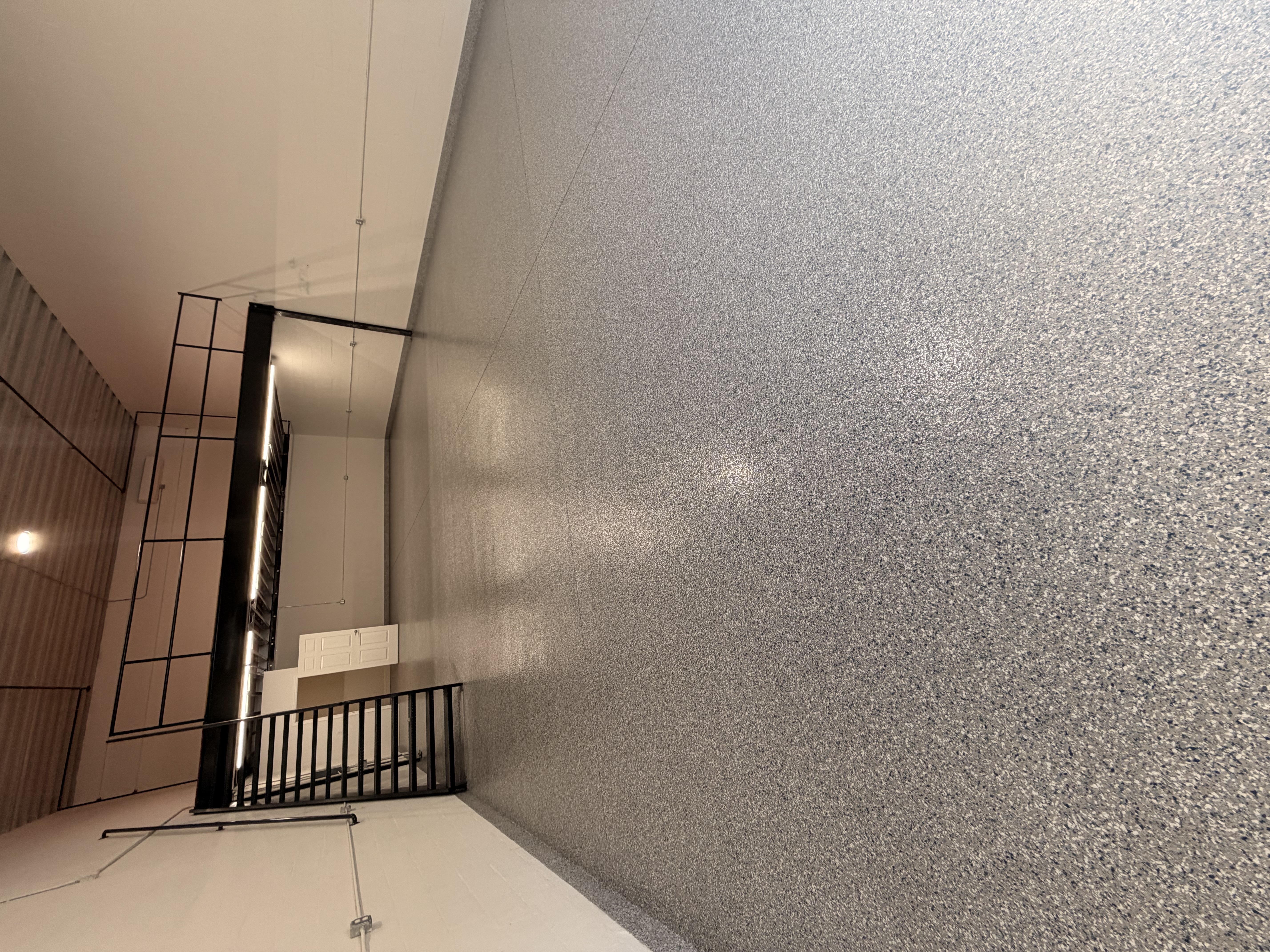
- Moisture testing: We check for moisture before every job
- Diamond grinding: Creates proper profile for maximum adhesion
- Crack and joint repair: Prevents future problems
- High-solids epoxy base: Thicker, more durable than water-based
- Polyaspartic topcoat: UV-stable, hot tire resistant
- Climate-controlled curing: We schedule around weather for optimal cure
Get a Floor That Lasts
Contact Epoxy Creations for a free estimate. We'll assess your space and install a floor system designed specifically for Florida's demanding climate.
Get Free Estimate Call (239) 888-9900